
Offer help or suggest an action (〜ましょうか)
Attach 〜ましょうか to a verb stem to offer spontaneous help (“Shall I carry that?”) or check group consensus (“Shall we head out?”). It invites the listener's immediate blessing before acting.
Offering Help or Suggesting an Action (ましょうか)
nimotsu o mochimashou ka
Shall I carry your luggage?
ましょうか (Shall I? / Offer) vs ませんか (Won't you? / Invite)
Micro-Shift何か 手伝いましょうか。
Speaker offering their own labor to help the listenerShall I help with something?
ましょうか proposes that the speaker do an action on behalf of the listener.
Example Sentences
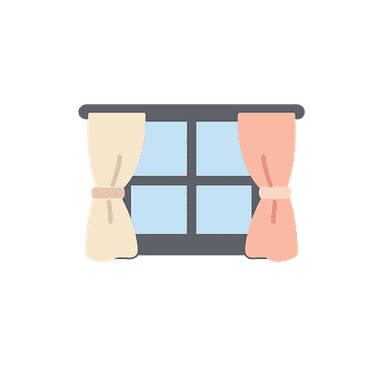
Shall I open the window?
How it works
Offering voluntary assistance to the listener using 開けましょうか.
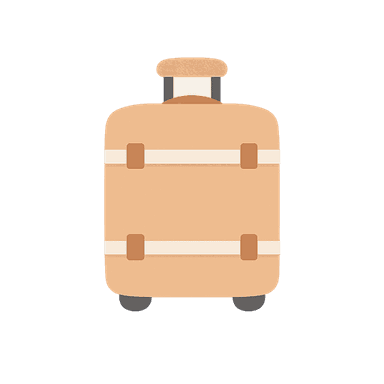
Shall I carry that luggage for you?
The Two Distinct Faces of 〜ましょうか
Adding the question particle か to the volitional ending 〜ましょう creates 〜ましょうか.
Depending on the context, it shifts between two important conversational functions:
1. Spontaneous Offer of Help (“Shall I...?”): - When you see someone struggling, you volunteer your own effort: - 荷物を持ちましょうか: “Shall I carry your luggage?” - 窓を開けましょうか: “Shall I open the window?” - 手伝いましょうか: “Shall I give you a hand?” - 写真を撮りましょうか: “Shall I take a photo for you?”
2. Checking Group Timing & Consensus (“Shall we...?”): - When checking whether the room or party is ready to move: - そろそろ始めましょうか: “Shall we get started?” - 次へ行きましょうか: “Shall we move on to the next topic?”
How to Respond to an Offer of Help
When someone offers you assistance with 〜ましょうか: • Accepting Gratefully: - ありがとうございます、お願いします: “Thank you very much, please do!” • Declining Politely (No Need): - あ、大丈夫です。ありがとうございます: “Ah, I'm okay, but thank you so much!”
The Superior Arrogance Trap: Avoid 〜てあげましょうか!
Beginners who know that 〜てあげる means “to do a favor” often mistakenly invent:
*荷物を持ってあげましょうか?
In Japanese cultural psychology, あげる explicitly highlights that YOU are bestowing a charitable benefit downward onto the other person. Saying this to a coworker, stranger, or superior sounds arrogant and condescending!
Keep it pure and humble: simply use the plain verb stem + 〜ましょうか: • 荷物を持ちましょうか? (Polite, humble, perfect).
In Dialogue
 Kenji
- Elin
助かります!ありがとうございます。
That would be a huge help! Thank you very much.
Quick Check
You see an elderly passenger struggling to lift a heavy suitcase on the train. What is the polite, humble way to offer help?