
Essential classroom phrases: Japanese for lessons
Master nine essential survival phrases for Japanese lessons: ask kanji readings, check meanings, confirm understanding, and maintain polite classroom etiquette.
Admitting Non-Comprehension (分かりません) vs Requesting Repetition (もう一度)
Micro-Shiftすみません、まだ分かりません。
Excuse me, I don't understand yet.
Honest admission that the material is not understood.
Example Sentences
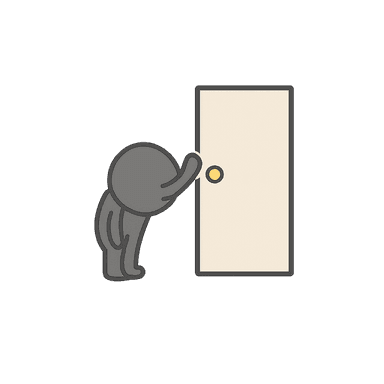
Excuse me (entering room).
How it works
Polite fixed phrase when entering or leaving a teacher's office or interview room.

Once more, please.
Mental Model: The Immersion Steering Wheel
From your very first lesson with a native instructor, many Japanese teachers strive to speak almost entirely in Japanese. This immersion approach is powerful, but without the right toolset, it can trigger cognitive freeze.
Think of these classroom phrases as your steering wheel and pedals:
- They let you control the conversation's speed without breaking character.
- They turn confusion into an active learning moment rather than silent panic.
- They demonstrate respect for Japanese communicative norms.
Category 1: Asking About the Language (The Meta-Questions)
When encountering unfamiliar kanji, vocabulary, or grammar on the board, use these exact templates:
- Asking How to Read a Character: これは 何と 読みますか。 (“How do you read this?”)
- Asking What a Word Means: これは どういう 意味ですか。 (“What does this mean?”)
- Asking for the Japanese Equivalent: 「Apple」は 日本語で 何と 言いますか。 (「Apple」は にほんごで なんと いいますか。) (“How do you say ‘Apple’ in Japanese?”)
Category 2: Controlling Pace and Audio
Never pretend to hear something you didn't. Native teachers welcome these polite requests:
- Asking for a Repeat: もう一度 お願いします。 (“Once more, please.”)
- Asking the Teacher to Slow Down: もう少し ゆっくり お願いします。 (“A little more slowly, please.”)
- Stating Lack of Comprehension: 分かりません。 (“I don't understand / I don't know.”)
Category 3: Confirming and Checking Work
- Signaling That You Understood (Critical Past Tense!): 分かりました! (“Understood! / I got it!”) Important distinction: Say 分かりました in the past tense once the explanation lands. Saying 分かります (present) can sound like “I already understand that in general.”
- Checking Your Answer: これで いいですか。 (“Is this okay / Is this correct?”)
- Raising a Hand / Prompting a Question: すみません、質問が あります。 (“Excuse me, I have a question.”)
Teacher Etiquette & Honorific Protocols
- 1. Address the Teacher as 先生:
Never address an instructor by their surname alone (“Tanaka!”), and avoid using standard
*田中さんin the classroom. Call them 田中先生 or simply 先生. - 2. The Softening Buffer (すみません): Always preface interruptions or questions with a gentle すみません before launching into your query.
- 3. Leaving Temporarily: If stepping away for a phone call or restroom break: ちょっと 失礼します。 (“Excuse me for a moment.”)
In Dialogue
 Maru
この言葉の意味が分かりましたか。
Did you understand the meaning of this word?
 Hana
すみません、よく分かりません。もう一度説明してください。
Excuse me, I don't quite understand. Please explain once more.
Tips and Common Traps
Quick Check
How do you politely tell your teacher “I have understood” after they finish explaining a tricky grammar point?